

Free Consultation

Owner-operators work long hours, run heavy miles, and manage expenses that change with every load
Written by
Jared Thomas
Published in
08/2026

Owner-operators work long hours, run heavy miles, and manage expenses that change with every load, but taxes often stay last on the list until the IRS steps in. Many truck drivers don’t realize how fast unpaid estimates, missing deductions, or incorrect 1099s turn into tax debt.
This guide shows you exactly why truck drivers face higher tax risk, what income the IRS expects you to report, and how to avoid the costly problems that put many owner-operators in debt.
Truck drivers face higher tax risk because their income fluctuates, their expenses vary by route, and their deductions require precise documentation. The IRS expects accurate logs for fuel, repairs, per diem, and mileage, but many drivers rely on estimates or incomplete records.
Multi-state travel also creates filing obligations that drivers often overlook, and irregular 1099 reporting from carriers leads to mismatches the IRS flags quickly. These combined factors make owner-operators far more vulnerable to audits and unexpected tax debt.
Truck drivers must report all income tied to hauling freight, including 1099 payments, settlements, and reimbursements that count as taxable earnings. The IRS compares your return to carrier-reported income, so every load payment and adjustment must match what appears on your 1099. Drivers also report additional earnings such as accessorial pay, contract reimbursements, and income from dispatching or brokering.
1099 Earnings from Carriers
Carriers report your total payments on Form 1099-NEC. You must include the full amount, even if expenses or chargebacks reduce your net settlement.
Freight, Load Payments, and Settlements
Line-haul pay, mileage pay, and load settlements count as taxable income. Settlement statements are used to verify totals when filing.
Detention, Layover, and Accessorial Pay
Extra pay for delays, stops, or loading tasks is taxable. These amounts appear in settlement breakdowns and must be included in reported income.
Lease-Purchase Contracts and Reimbursements
Truck payments, fuel advances, and reimbursement adjustments appear inside settlements. Many reimbursements are taxable unless tied to actual documented expenses.
Income from Brokerage or Dispatching
Earnings from brokering loads or dispatching other drivers create additional self-employment income. These payments also appear on 1099-NEC forms.

Self-employment tax applies to all net earnings truck drivers make from hauling loads, and it covers Social Security and Medicare contributions. Owner-operators pay 15.3% on their net profit after subtracting deductible expenses.
The IRS expects quarterly estimated payments when taxes exceed $1,000 per year, and missed estimates create penalties even if you file on time. Accurate logs for fuel, repairs, per diem, and depreciation help lower net earnings and reduce self-employment tax, but incomplete records often cause drivers to overpay or fall behind.
Truck drivers often fall into tax trouble when daily expenses go unrecorded or when deductions are applied incorrectly. Settlement statements can be complex, and missing even one detail creates mismatches the IRS flags quickly.
Most driver tax problems come from inconsistent bookkeeping, misunderstood per diem rules, and missed deadlines.
Not Saving Enough for Taxes
Owner-operators must pay income and self-employment tax. Without setting aside 20–30% of earnings, most drivers fall behind on quarterly payments.
Not Tracking Fuel, Maintenance, and Mileage
Fuel, repairs, tolls, and mileage reduce taxable income, but missing receipts or logs make deductions invalid during audits.
Claiming Invalid Per Diem Deductions
Per diem is only deductible when rules for travel status and overnight trips are met. Incorrect per diem claims trigger IRS scrutiny and denied deductions.
Misclassifying Repairs vs. Capital Expenses
Repairs are deductible immediately, while major upgrades require depreciation. Mixing them up inflates deductions and leads to IRS adjustments.
Ignoring IRS Notices or Settlement Statements
Unopened IRS letters escalate to liens or levies. Ignoring settlement statements also causes underreported income when filing.

The IRS flags truck drivers when deductions appear unrealistic, income does not match carrier records, or quarterly taxes go unpaid. Because owner-operators rely on variable expenses and complex settlements, inconsistencies stand out quickly in IRS matching programs.
Excessive Per Diem Claims
Per diem must match federal rates and apply only to overnight travel. Claims far above typical patterns signal incorrect deductions.
Underreported 1099 Income
Carriers send 1099-NEC forms directly to the IRS. Any difference between reported income and your tax return triggers automated audits.
Large Repair Deductions Without Receipts
High repair costs require invoices. Missing documentation causes the IRS to reclassify expenses or disallow deductions entirely.
Claiming Personal Miles as Business
Personal driving cannot be deducted. Mileage logs must clearly separate business miles from personal use to avoid adjustments.
Unfiled Quarterly Estimated Taxes
Missing estimates create penalties and suggest noncompliance. Repeated failures increase audit risk and interest charges.
When truck drivers owe the IRS, penalties and interest begin immediately and continue until the full balance is paid. Owner-operators often feel the impact faster because trucks, trailers, and settlement payments are easy IRS targets for liens and levies. If multiple years of unfiled returns, missed estimates, or mismatched 1099s exist, the IRS escalates to stronger enforcement actions.
Penalties for Late Payments
Late-payment penalties increase the balance every month you owe the IRS. The standard rate is 0.5% of the unpaid tax per month, but the penalty climbs to 1% if you ignore tax bills. These charges apply in addition to failure-to-file penalties when returns are missing.
Daily Interest Accumulation
Interest compounds daily on the total amount owed, including tax, penalties, and earlier interest. This makes balances grow quickly for truck drivers with inconsistent quarterly payments. Even small unpaid amounts turn expensive over time due to continuous compounding.
Liens on Trucks or Equipment
A federal tax lien attaches to your truck, trailer, and business assets once the IRS files a Notice of Federal Tax Lien. This damages credit, blocks equipment financing, and limits the ability to buy, sell, or transfer your rig.
Bank Levies and Wage Garnishment
If IRS notices go unanswered, the IRS can levy bank accounts, seize settlement deposits, or garnish revenue from carriers or brokers. Levies can continue until the full debt is recovered, interrupting fuel budgets and other essential operational costs.
Passport Restrictions for Large Balances
Large unpaid tax debts may trigger passport certification, which restricts renewals and international travel. This affects long-haul drivers who cross into Canada or Mexico, potentially interfering with routes and employer requirements.

Truck drivers lower their tax burden by using accurate deductions, claiming per diem correctly, and applying depreciation rules that reduce taxable income.
Because owner-operators pay both income tax and self-employment tax, every documented expense directly reduces the amount owed.
Per Diem Deduction Rules
Per diem allows drivers to deduct meal and incidental expenses for days spent away from home overnight. The IRS sets a standard daily rate, and drivers must track qualifying travel days to support the deduction.
Depreciation and Section 179 for Trucks
Owner-operators can deduct the cost of trucks and trailers through depreciation or Section 179 expense. Section 179 allows large upfront deductions when equipment is placed in service, while regular depreciation spreads the cost over several years. Accurate classification ensures the deduction fits IRS requirements.
Fuel and Maintenance Deductions
Fuel, oil changes, tires, repairs, tolls, and DEF fluid are deductible as operational expenses. Drivers must keep receipts and settlement logs showing each transaction. Detailed expense tracking strengthens audit readiness and ensures full deduction value.
GPS, Cellphone, and Logbook Expenses
Essential tools such as ELD devices, GPS systems, CB radios, and business-use cellphones qualify as deductible expenses. Only the business-use percentage applies, so drivers must document usage patterns.
Retirement Plan Options for Owner-Operators
Solo 401(k)s, SEP IRAs, and SIMPLE IRAs allow drivers to reduce taxable income while saving for retirement. Contributions are deductible and help offset high self-employment tax. Choosing the right plan depends on earnings level and contribution goals.
Owner-operators stay compliant by maintaining consistent records, understanding their settlement details, and filing taxes on time. Because the IRS tracks 1099 income closely, accurate documentation prevents mismatches and protects deductions.
Documenting Expenses Daily
Daily logs for fuel, repairs, tolls, scale fees, and mileage create accurate deductions and strengthen audit defense. Recording expenses in real time prevents missing receipts and ensures all operational costs reduce taxable income.
Using Proper Accounting Tools
Accounting software designed for trucking helps categorize expenses, track mileage, and store settlement statements. Digital tools reduce errors, speed up quarterly estimate calculations, and provide clean records for IRS review.
Filing Quarterly Taxes on Time
Quarterly estimated payments cover self-employment and income tax. Missing deadlines creates penalties even if you file yearly returns. Submitting estimates on time keeps balances manageable and shows consistent compliance.
Understanding Settlement Statements
Settlement statements show gross pay, chargebacks, fuel advances, insurance, and deductions. Reviewing each statement ensures reported income matches IRS records and prevents unintentional underreporting.
Reconciling Dispatch and Brokerage Payments
Owner-operators must match every payment from dispatchers and brokers to load confirmations and settlement reports. Reconciling these records prevents missing income and avoids IRS mismatches tied to 1099 forms.

Safeway Tax helps truck drivers stay compliant by organizing records, correcting settlement inconsistencies, and ensuring deductions meet IRS standards. Our licensed tax professionals review your per diem claims, fuel logs, maintenance receipts, and equipment purchases to build accurate filings that withstand IRS scrutiny.
We also handle quarterly tax planning, identify overlooked deductions, and correct prior-year returns when errors from carriers or dispatchers surface. If you already owe the IRS, our team negotiates payment plans, resolves penalties, and provides representation to protect your truck and income.
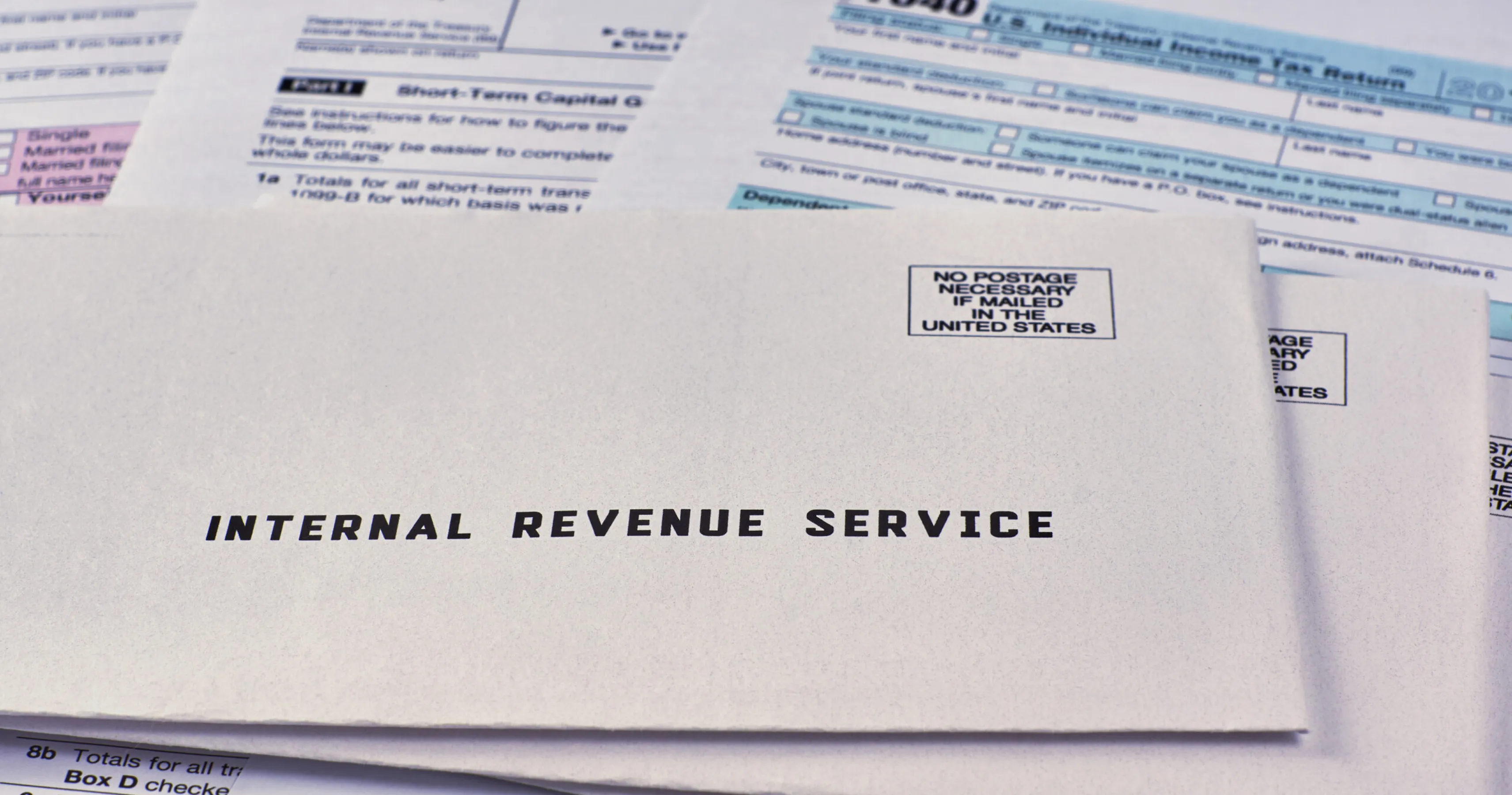
IRS balances rarely stay the same. They grow month after month through penalties, interest, and compounding charges


If you’ve received an IRS notice mentioning a tax lien or levy, it’s completely normal to feel overwhelmed

IRS debt grows quietly, and many taxpayers don’t realize they’re in trouble until garnishments, liens, or intimidating letters arrive.

Many nurses unknowingly take contracts that create tax-home problems, trigger multi-state filing requirements

Crypto investors often realize too late that every trade, swap, or sale can create a taxable event especially in years

Running a small business often means juggling payroll, invoices, suppliers, and cash-flow surprises

Gig workers often discover that earning independent income brings unexpected IRS attention.

Ignoring an IRS letter might feel easier than opening it, especially when you’re stressed, behind

Discover how our resources and experts can help you keep more of your money.

Missing a quarterly tax payment feels stressful, but it happens to freelancers, small business owners

Freelancers often discover that earning income independently brings freedom but also tax obligations that can

Tax debt and liens can stall a mortgage, but they don't always kill the deal. Here's what lenders look for and how to clear the path.

Choosing the right IRS relief program can be the difference between finally getting ahead or staying trapped in tax debt for years.
.png)
Many 1099 workers discover they owe the IRS only after a stressful notice arrives, because

Receiving an IRS Final Notice is one of the most serious moments a taxpayer can face.

Crypto trading feels exciting until tax season arrives and you realize your wallets, swaps, and rewards don’t neatly fit into a standard tax form.

Few things hit harder than waking up to a bank account you can’t touch. Your debit card declines
Owner-operators work long hours, run heavy miles, and manage expenses that change with every load

Falling behind on taxes is extremely common for self-employed and 1099 workers. Income changes, missing 1099 forms
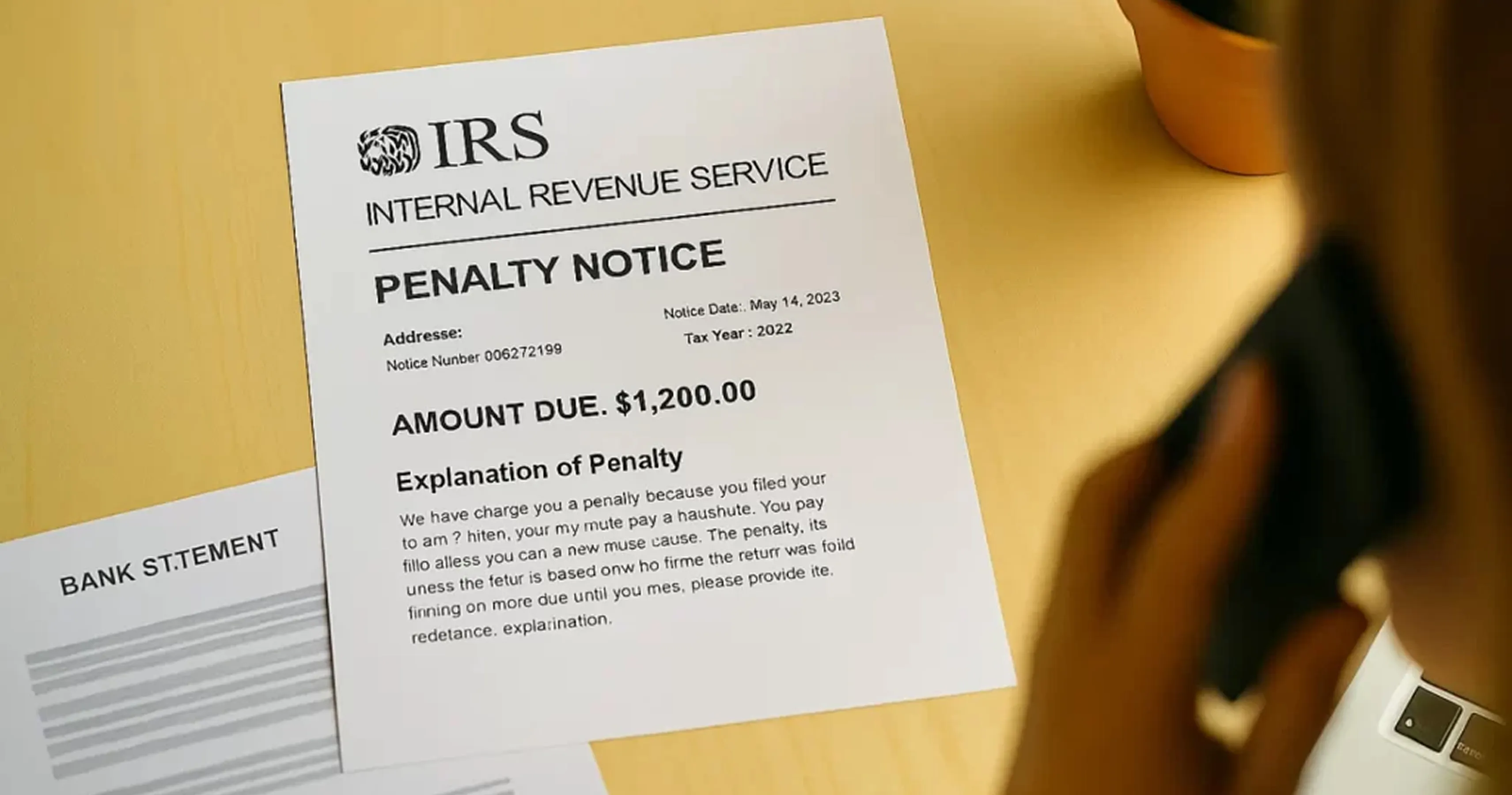
IRS penalties can build up fast, sometimes adding thousands of dollars to your balance before you even realize what happened.
Once submitted, your information is reviewed by an IRS Relief Specialist, who will follow up to explain which IRS relief options may apply and answer any questions you have.
SafewayTax helps individuals and businesses address complex tax issues. By providing a few details, our team can quickly review your situation and help you move forward with confidence
© Copyright 2026 SafewayTax | All Rights Reserved.


Any estimates, projections, or statements on the Website regarding potential program performance are based on historical outcomes and client testimonials that reflect individual circumstances. Results depend on the specific facts of each client’s situation and may vary significantly. Your outcomes will depend on factors including, but not limited to, your financial condition and your ability to provide SafewayTax with complete, accurate, and timely information.
You are encouraged to carefully review all program materials before enrolling in any Service.
SafewayTax does not guarantee that your tax liability will be reduced by any specific amount or percentage, that your taxes will be resolved within a particular timeframe, or that you will qualify for any Internal Revenue Service (“IRS”) program or relief option. Interest and penalties may continue to accrue until your tax liability is fully satisfied with the IRS.
SafewayTax is an independent tax resolution firm and is not affiliated with or endorsed by the IRS. We do not assume your tax liabilities, make payments to creditors on your behalf, or provide legal, accounting, bankruptcy, or formal tax advice unless expressly stated in a separate written agreement. Services may not be available in all states, and fees may vary depending on jurisdiction and case complexity.
By providing your contact information, you expressly consent to receive communications from SafewayTax, including phone calls and SMS text messages, at the telephone number you provide. Such communications may include service-related updates, marketing messages, and other informational notices. Standard messaging and data rates may apply, and you are responsible for any charges imposed by your carrier.