

Free Consultation

IRS debt grows quietly, and many taxpayers don’t realize they’re in trouble until garnishments, liens, or intimidating letters arrive.
Written by
Jared Thomas
Published in
08/2026

IRS debt grows quietly, and many taxpayers don’t realize they’re in trouble until garnishments, liens, or intimidating letters arrive. The Fresh Start Program gives struggling individuals and small businesses a practical way to regain control, reduce tax pressure, and avoid aggressive collections. You learn how relief options work in 2026, how eligibility is determined, and what steps actually lead to approval.
The IRS Fresh Start Program is a set of expanded tax relief policies designed to help taxpayers pay back debt more affordably. The IRS uses this program to reduce penalties, ease payment requirements, and provide settlement options for people who cannot pay their full balance. The program includes installment agreements, Offer in Compromise eligibility, lien withdrawal options, and penalty relief.
You qualify for the Fresh Start Program in 2026 if you meet IRS compliance requirements and demonstrate financial need based on your income, expenses, and total tax balance.
The IRS requires every applicant to have all tax returns filed, all estimated payments up to date, and no open compliance issues such as unreported income or unresolved audits. Individuals generally qualify when their total tax debt is $50,000 or less, while businesses qualify when payroll or income tax debts fit within IRS streamlined limits.
The IRS evaluates your eligibility by reviewing bank statements, pay stubs, operating expenses, loan obligations, and monthly disposable income. The program is intended for taxpayers who cannot pay their balance in full but can maintain some level of structured payments.
Self-employed workers, small business owners, and W-2 employees can all qualify if their financial records show a reasonable need for relief and they follow all filing rules.
The Fresh Start Program gives taxpayers several structured relief tools. Each option supports a different financial situation, and the IRS reviews income, expenses, and filing compliance before approval. These options help reduce pressure, stop aggressive collections, and create realistic repayment paths.
Expanded Installment Agreements
Expanded installment agreements let you pay tax debt over time without submitting full financial statements when your balance is under $50,000. The IRS sets fixed monthly payments based on your ability to pay, and automatic withdrawals help prevent new penalties or default.
Offer in Compromise (OIC)
An Offer in Compromise allows you to settle your tax debt for less than the full amount when your financial records show you cannot realistically pay everything you owe. The IRS reviews your assets, income, essential expenses, and future earning potential through the Reasonable Collection Potential formula.
Penalty Relief & First-Time Abatement
Penalty relief removes certain failure-to-file or failure-to-pay penalties when you meet IRS standards for reasonable cause or first-time compliance. The IRS uses this option for taxpayers who have a clean filing history and experienced issues such as illness, natural events, or temporary financial hardship.
IRS Tax Liens & Withdrawal Options (Form 12277)
The Fresh Start Program allows taxpayers to request lien withdrawal after establishing a direct-debit installment agreement or resolving their tax debt. You file Form 12277 to remove the public lien record once the IRS confirms compliance.

The Fresh Start process requires accurate filing, organized records, and full compliance before the IRS considers any form of relief. Each step ensures your application moves smoothly and reduces the risk of delays or rejection.
Step 1: File all required tax returns
You must file every missing federal tax return before the IRS reviews your Fresh Start request. The IRS checks for unfiled years, mismatched income, and incorrect reporting before offering payment relief. Filing restores compliance and prevents automatic denial.
Step 2: Gather financial documentation
You collect bank statements, pay stubs, profit-and-loss reports, loan details, and monthly expense records to show your true financial condition. The IRS uses these documents to calculate your ability to pay and verify that your expenses meet national and local standards.
Step 3: Determine your eligibility
You review your tax balance, income level, and compliance status to identify which Fresh Start tools apply to your case. Eligibility depends on factors such as debt under $50,000, current estimated payments, and whether your disposable income supports a payment plan or settlement.
Step 4: Choose the right type of relief
You select the relief option that matches your financial limits: installment agreement, Offer in Compromise, penalty abatement, or lien withdrawal. Each program serves a different need, so choosing correctly increases approval chances and prevents unnecessary delays.
Step 5: Submit all IRS forms correctly
You complete the required IRS forms, such as Form 433-A, Form 433-F, Form 656, or Form 12277, depending on your chosen program. Accurate financial entries, correct supporting documents, and proper mailing or electronic submission help avoid processing errors.
Step 6: Respond to IRS notices or follow-up requests
You monitor your mail and respond quickly to IRS letters asking for clarification, additional documents, or updates to your financial information. Timely responses keep your application active and prevent the IRS from closing your case for non-communication.

Taxpayers often get denied Fresh Start relief because their applications contain inaccurate data, missing returns, or mismatched financial records. The IRS checks every number against transcripts, bank activity, and third-party reports, so even small errors can delay or block approval.
Guessing Numbers Instead of Using Real Financials
Many applicants estimate income, expenses, or asset values instead of using verified documents. The IRS cross-checks every figure with transcripts, bank deposits, and wage reports, so estimates lead to inconsistencies that cause immediate rejection or requests for more proof.
Applying for the Wrong Relief Program
Some taxpayers choose an OIC when an installment agreement fits better, or request a lien withdrawal before meeting eligibility rules. Picking the wrong path delays relief and forces the IRS to restart the review once the correct option is selected.
Not Filing Missing Returns First
Unfiled returns automatically disqualify you from Fresh Start consideration. The IRS requires full compliance before evaluating any payment plan, settlement, or penalty relief request, and missing years stop the application from moving forward.
Underreporting Income or Overreporting Expenses
Inaccurate reporting raises red flags because the IRS compares your application to third-party 1099s, W-2s, and bank activity. Inflated expenses or unreported income causes distrust, additional verification steps, and often a full denial of relief.

Fresh Start approval can take anywhere from a few weeks to several months, depending on the type of relief you request and how complete your documentation is. Streamlined installment agreements move fastest and are often approved within 30–60 days when your balance is under IRS thresholds.
Offers in Compromise take longer because the IRS reviews income, expenses, assets, and bank activity in detail, creating processing timelines of 6–12 months for most cases.
Delays occur when taxpayers have missing returns, incomplete financial documents, or inconsistent numbers that require additional verification. The IRS may pause review if your income changes, your expenses exceed national standards, or your case is assigned to a backlog-heavy office.
Safeway Tax strengthens your Fresh Start application by organizing every financial detail the IRS needs and eliminating the errors that cause most denials. Our tax professionals review your income, expenses, assets, and transcripts to build an accurate financial profile that matches IRS standards.
We also prepare every IRS form correctly, respond to IRS letters on your behalf, and communicate directly with agents to prevent delays or collections during review. Our team documents your hardship, verifies expenses that the IRS often challenges, and ensures your numbers align with national and local standards.

Crypto investors often realize too late that every trade, swap, or sale can create a taxable event especially in years

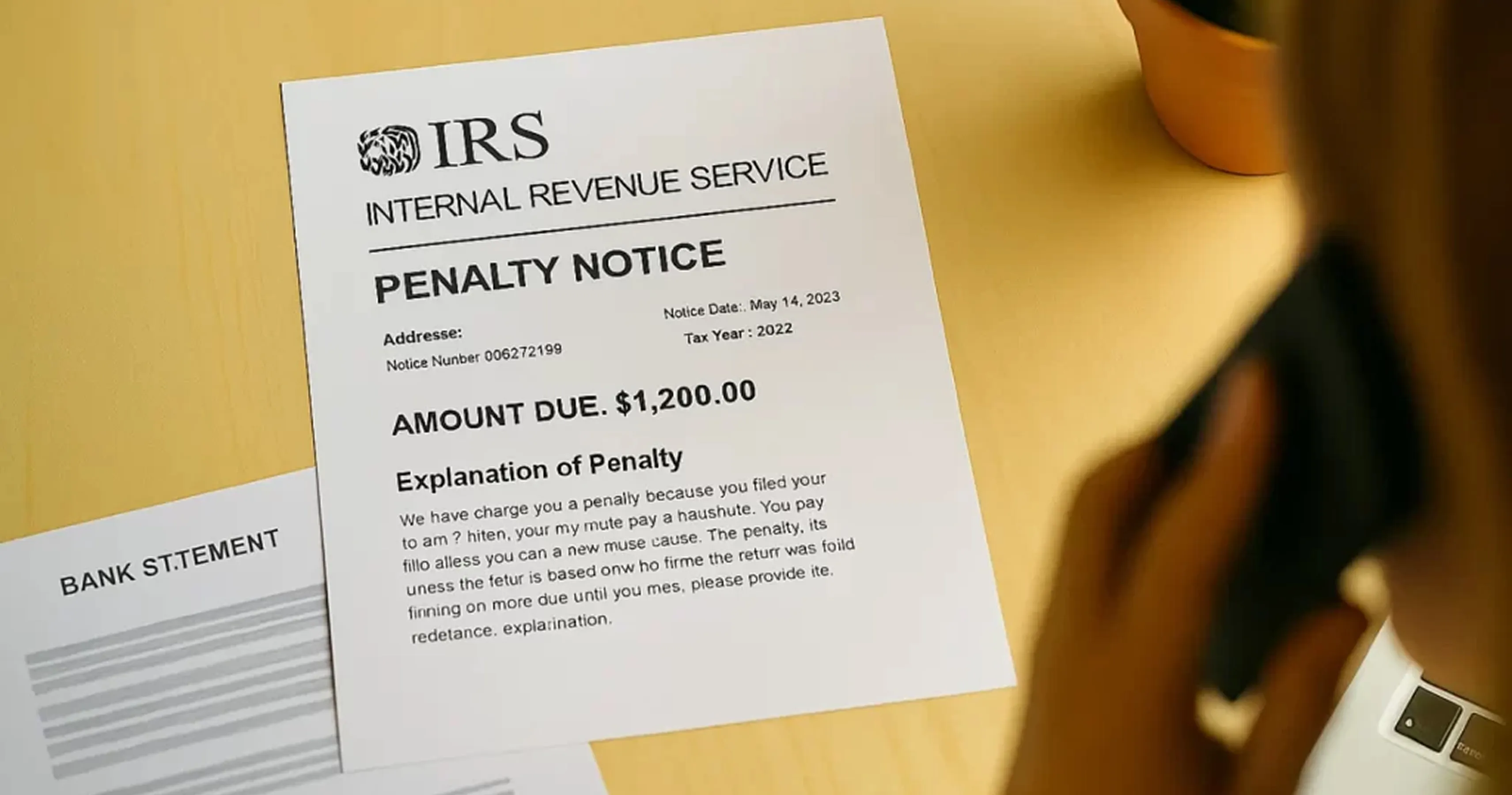
IRS penalties can build up fast, sometimes adding thousands of dollars to your balance before you even realize what happened.

If you’ve received an IRS notice mentioning a tax lien or levy, it’s completely normal to feel overwhelmed
.png)
Many 1099 workers discover they owe the IRS only after a stressful notice arrives, because
IRS balances rarely stay the same. They grow month after month through penalties, interest, and compounding charges
Receiving an IRS Final Notice is one of the most serious moments a taxpayer can face.

Running a small business often means juggling payroll, invoices, suppliers, and cash-flow surprises

Missing a quarterly tax payment feels stressful, but it happens to freelancers, small business owners

Ignoring an IRS letter might feel easier than opening it, especially when you’re stressed, behind

Falling behind on taxes is extremely common for self-employed and 1099 workers. Income changes, missing 1099 forms

Gig workers often discover that earning independent income brings unexpected IRS attention.

Many nurses unknowingly take contracts that create tax-home problems, trigger multi-state filing requirements

Owner-operators work long hours, run heavy miles, and manage expenses that change with every load

Few things hit harder than waking up to a bank account you can’t touch. Your debit card declines

Discover how our resources and experts can help you keep more of your money.

Freelancers often discover that earning income independently brings freedom but also tax obligations that can

Choosing the right IRS relief program can be the difference between finally getting ahead or staying trapped in tax debt for years.

Crypto trading feels exciting until tax season arrives and you realize your wallets, swaps, and rewards don’t neatly fit into a standard tax form.
IRS debt grows quietly, and many taxpayers don’t realize they’re in trouble until garnishments, liens, or intimidating letters arrive.

Tax debt and liens can stall a mortgage, but they don't always kill the deal. Here's what lenders look for and how to clear the path.
Once submitted, your information is reviewed by an IRS Relief Specialist, who will follow up to explain which IRS relief options may apply and answer any questions you have.
SafewayTax helps individuals and businesses address complex tax issues. By providing a few details, our team can quickly review your situation and help you move forward with confidence
© Copyright 2026 SafewayTax | All Rights Reserved.


Any estimates, projections, or statements on the Website regarding potential program performance are based on historical outcomes and client testimonials that reflect individual circumstances. Results depend on the specific facts of each client’s situation and may vary significantly. Your outcomes will depend on factors including, but not limited to, your financial condition and your ability to provide SafewayTax with complete, accurate, and timely information.
You are encouraged to carefully review all program materials before enrolling in any Service.
SafewayTax does not guarantee that your tax liability will be reduced by any specific amount or percentage, that your taxes will be resolved within a particular timeframe, or that you will qualify for any Internal Revenue Service (“IRS”) program or relief option. Interest and penalties may continue to accrue until your tax liability is fully satisfied with the IRS.
SafewayTax is an independent tax resolution firm and is not affiliated with or endorsed by the IRS. We do not assume your tax liabilities, make payments to creditors on your behalf, or provide legal, accounting, bankruptcy, or formal tax advice unless expressly stated in a separate written agreement. Services may not be available in all states, and fees may vary depending on jurisdiction and case complexity.
By providing your contact information, you expressly consent to receive communications from SafewayTax, including phone calls and SMS text messages, at the telephone number you provide. Such communications may include service-related updates, marketing messages, and other informational notices. Standard messaging and data rates may apply, and you are responsible for any charges imposed by your carrier.