

Free Consultation

Discover how our resources and experts can help you keep more of your money.
Written by
Jared Thomas
Published in
08/2026

Trying to resolve IRS debt on your own can feel overwhelming, especially when the rules are confusing, the letters are intimidating, and every decision affects how much you’ll ultimately pay. Many taxpayers believe they can “figure it out later,” but small errors often snowball into bigger balances, harsher penalties, and aggressive IRS enforcement.
The truth is, the IRS has strict procedures, strict timelines, and strict requirements. One wrong step can cost hundreds or even thousands of dollars. This article breaks down the 7 most common mistakes people make when handling tax debt alone, why they happen, and how to avoid them before the IRS steps in.
Ignoring IRS letters is one of the fastest ways for a manageable tax problem to turn into a serious financial crisis. Each notice the IRS sends has a purpose, some simply inform you of a balance, while others warn that enforcement is coming next. When deadlines pass without action, penalties grow, interest compounds daily, and the IRS begins escalating collection efforts behind the scenes.
If you wait too long, your account may automatically move into the “collections” cycle, where the IRS can issue liens, garnish wages, or freeze your bank account. Many taxpayers ignore letters because they feel overwhelmed but the longer you avoid them, the fewer options you have and the more aggressive the IRS becomes.

Many taxpayers jump into the first IRS relief option they hear about, usually an installment agreement or an Offer in Compromise without understanding whether it actually fits their financial situation. The wrong choice can cost you thousands, extend your repayment timeline, or even cause the IRS to reject your application entirely.
For example, some people apply for an Offer in Compromise assuming it will erase their debt, even though the IRS only accepts offers when your finances clearly show you cannot pay. When you pick a program that doesn’t match your income, expenses, assets, and tax history, the IRS may deny your request and by the time you realize it, penalties and interest have continued to grow.
A common and costly mistake is guessing your income, expenses, or IRS balance instead of using accurate numbers. The IRS compares everything you submit against transcripts, wage reports, 1099s, bank data, and prior filings. If your numbers don’t match, your relief application can be delayed, denied, or recalculated in a way that raises your payment amount.
Many people underestimate their income, forget about deposits from payment apps, or overestimate expenses they cannot fully document. Others assume their IRS balance is lower than it actually is because they haven’t checked recent penalties or interest.
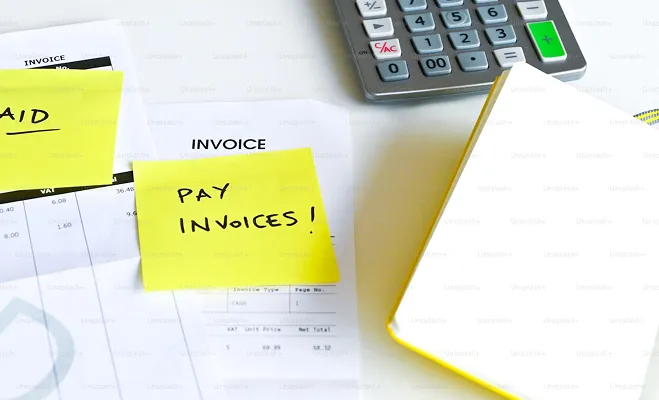
Many taxpayers rush to set up an installment agreement just to “get the IRS off their back,” but choosing a payment plan you can’t realistically afford is one of the biggest mistakes you can make. When payments are too high, people often fall behind within a few months, triggering new penalties, interest, and potentially defaulting on the agreement entirely.
Once you default, the IRS can take aggressive action, including wage garnishments, bank levies, refund offsets, and stricter payment terms moving forward. In some cases, the IRS may even refuse to reinstate the same arrangement, leaving you with fewer relief options.
A sustainable payment plan is based on real cash flow. You should evaluate your monthly expenses, irregular income patterns, and essential bills before agreeing to any amount.
Trying to resolve tax debt without filing all missing returns is one of the fastest ways to get denied for IRS relief. The IRS will not approve payment plans, Offer in Compromise requests, penalty abatement, or hardship status unless every required tax return is filed. When returns are missing, the IRS considers your account “non-compliant,” which blocks almost every form of assistance.
Even worse, if you don’t file, the IRS may file a Substitute for Return (SFR) on your behalf, an automated return that usually overstates your income, ignores deductions, and creates a much higher tax bill than you actually owe.
Filing your missing returns restores compliance, often reduces your true balance, and gives you access to relief programs that can lower payments or even settle the debt.

Many taxpayers focus only on the original tax balance and overlook the penalties and interest that grow every month. This mistake can be expensive. The IRS charges a failure-to-pay penalty, failure-to-file penalty, and daily interest on both the tax and the penalties, causing the balance to snowball much faster than most people expect.
If you don’t actively track these charges, you may think your payment plan or occasional payments are reducing the debt, when in reality, interest may be adding more than you’re paying.
Understanding your penalty and interest breakdown allows you to determine whether you should request penalty abatement, revise your payment plan, or consider more aggressive relief options like an Offer in Compromise.
Negotiating with the IRS based on guesses, estimates, or missing paperwork is one of the quickest ways to get denied for relief. The IRS relies entirely on verified documentation, not verbal explanations, when determining whether you qualify for a payment plan, hardship status, penalty relief, or an Offer in Compromise. If you can’t provide accurate proof of income, expenses, bank activity, or tax filings, the IRS will assume you can pay more than you actually can.
This mistake often leads to unrealistic payment plans, rejected submissions, or delays that allow interest and penalties to keep growing. To negotiate successfully, you need complete financial records: bank statements, pay stubs, expense logs, business income summaries, and IRS transcripts.

One of the biggest obstacles people face isn’t the IRS, it’s assuming they have no options. Many taxpayers believe their income is too high, their debt is too old, or their situation is too complicated to qualify for relief.
In reality, the IRS offers multiple programs designed specifically for people who are struggling, including payment plans, penalty abatements, hardship status, and even settlements for less than the full amount.
The IRS does not expect every taxpayer to pay their balance in full. Instead, they look at your ability to pay, your necessary living expenses, and your overall financial condition. Even individuals who think they “make too much” or “owe too much” are often eligible for programs they never knew existed.
Trying to fix IRS debt alone often leads to costly errors, but Safeway Tax makes sure every step is handled correctly from the start. Our licensed tax professionals review your IRS transcripts, financial documents, and past returns to identify the exact cause of your debt and prevent the common mistakes that make balances grow.
We also negotiate with the IRS on your behalf to secure the lowest possible payment, request penalty relief, or pursue settlements when eligible. Whether you’re facing wage garnishment, unfiled returns, penalties, or overwhelming notices, Safeway Tax ensures you stay compliant, protected, and fully informed.
Discover how our resources and experts can help you keep more of your money.

IRS balances rarely stay the same. They grow month after month through penalties, interest, and compounding charges

Choosing the right IRS relief program can be the difference between finally getting ahead or staying trapped in tax debt for years.

Many nurses unknowingly take contracts that create tax-home problems, trigger multi-state filing requirements

Crypto investors often realize too late that every trade, swap, or sale can create a taxable event especially in years

Running a small business often means juggling payroll, invoices, suppliers, and cash-flow surprises
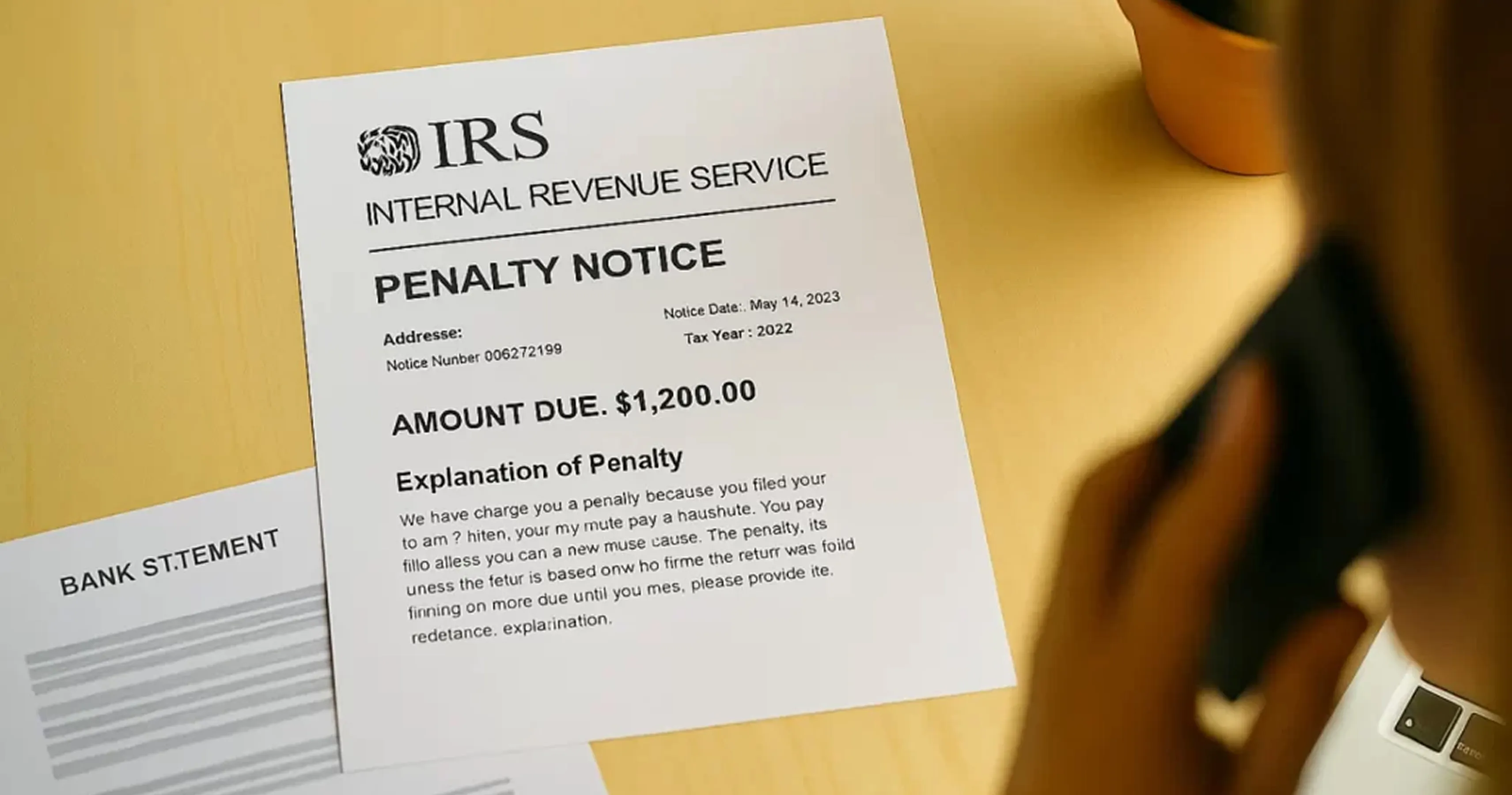
IRS penalties can build up fast, sometimes adding thousands of dollars to your balance before you even realize what happened.

Freelancers often discover that earning income independently brings freedom but also tax obligations that can
Receiving an IRS Final Notice is one of the most serious moments a taxpayer can face.

Missing a quarterly tax payment feels stressful, but it happens to freelancers, small business owners

Ignoring an IRS letter might feel easier than opening it, especially when you’re stressed, behind
.png)
Many 1099 workers discover they owe the IRS only after a stressful notice arrives, because

Tax debt and liens can stall a mortgage, but they don't always kill the deal. Here's what lenders look for and how to clear the path.

Gig workers often discover that earning independent income brings unexpected IRS attention.

Owner-operators work long hours, run heavy miles, and manage expenses that change with every load

Falling behind on taxes is extremely common for self-employed and 1099 workers. Income changes, missing 1099 forms

Crypto trading feels exciting until tax season arrives and you realize your wallets, swaps, and rewards don’t neatly fit into a standard tax form.

Few things hit harder than waking up to a bank account you can’t touch. Your debit card declines

IRS debt grows quietly, and many taxpayers don’t realize they’re in trouble until garnishments, liens, or intimidating letters arrive.

If you’ve received an IRS notice mentioning a tax lien or levy, it’s completely normal to feel overwhelmed
Once submitted, your information is reviewed by an IRS Relief Specialist, who will follow up to explain which IRS relief options may apply and answer any questions you have.
SafewayTax helps individuals and businesses address complex tax issues. By providing a few details, our team can quickly review your situation and help you move forward with confidence
© Copyright 2026 SafewayTax | All Rights Reserved.


Any estimates, projections, or statements on the Website regarding potential program performance are based on historical outcomes and client testimonials that reflect individual circumstances. Results depend on the specific facts of each client’s situation and may vary significantly. Your outcomes will depend on factors including, but not limited to, your financial condition and your ability to provide SafewayTax with complete, accurate, and timely information.
You are encouraged to carefully review all program materials before enrolling in any Service.
SafewayTax does not guarantee that your tax liability will be reduced by any specific amount or percentage, that your taxes will be resolved within a particular timeframe, or that you will qualify for any Internal Revenue Service (“IRS”) program or relief option. Interest and penalties may continue to accrue until your tax liability is fully satisfied with the IRS.
SafewayTax is an independent tax resolution firm and is not affiliated with or endorsed by the IRS. We do not assume your tax liabilities, make payments to creditors on your behalf, or provide legal, accounting, bankruptcy, or formal tax advice unless expressly stated in a separate written agreement. Services may not be available in all states, and fees may vary depending on jurisdiction and case complexity.
By providing your contact information, you expressly consent to receive communications from SafewayTax, including phone calls and SMS text messages, at the telephone number you provide. Such communications may include service-related updates, marketing messages, and other informational notices. Standard messaging and data rates may apply, and you are responsible for any charges imposed by your carrier.