

Free Consultation

Receiving an IRS Final Notice is one of the most serious moments a taxpayer can face.
Written by
Jared Thomas
Published in
08/2026
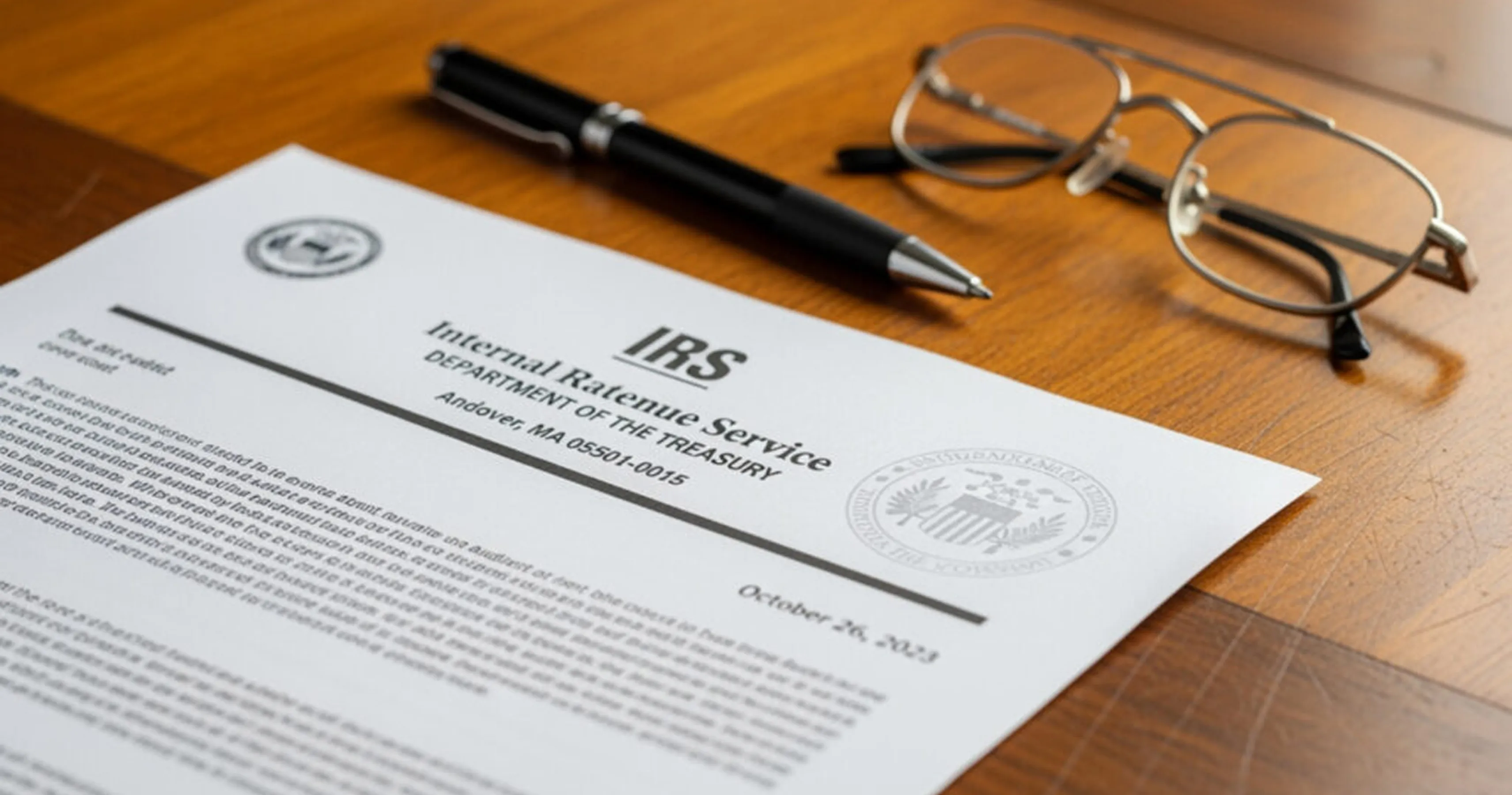
Receiving an IRS Final Notice is one of the most serious moments a taxpayer can face. It means the IRS has already sent multiple warnings and is now prepared to take enforced action such as freezing your bank account, garnishing wages, placing liens, or seizing funds without further warning.
Many people panic or ignore the letter, but the truth is this: you still have options, and the steps you take immediately after receiving a Final Notice can completely change the outcome.
This guide breaks down the exact first steps you must take to protect your money, stop enforcement, and regain control.
The IRS Final Notice outlines exactly what the IRS plans to do next, the amount you owe, and the deadline before enforcement begins. Many taxpayers make the mistake of assuming all IRS letters are the same, but a Final Notice is different.
It includes specific language such as “Intent to Levy” or “Your right to a hearing,” which signals that the IRS is legally authorized to begin taking your assets if you don’t act. Reading the notice carefully helps you understand your deadlines, the type of enforcement being threatened, and what immediate steps are required to stop it.

Your IRS Final Notice will state whether you still qualify for a Collection Due Process (CDP) hearing or an Equivalent Hearing. A CDP hearing is your strongest legal protection: it temporarily stops levies, garnishments, and collection actions once you file the request (Form 12153) within 30 days of the date on the notice. If you miss that window, you may still request an Equivalent Hearing within one year, but it won’t stop enforcement automatically.

Before the IRS will negotiate any type of relief—payment plan, settlement, levy release, or hardship status—you must have all required tax returns filed. If even one year is missing, the IRS considers you “not compliant,” and enforcement can continue.
Filing the missing returns quickly helps establish accurate balances. The IRS often overestimates what you owe when you don’t file, and showing a good-faith effort can prevent harsher actions like bank levies. If you’re missing forms like 1099s or W-2s, you can request IRS transcripts to reconstruct income and get the returns completed without delay.

Before agreeing to any IRS payment arrangement, it’s critical to verify that the amount the IRS says you owe is actually correct. The IRS can include automated estimates, unreported income assumptions, or penalties that may not apply.
Start by checking your IRS account transcripts, which show how the balance was calculated: tax, penalties, and interest separately. Compare these figures with your own records, past tax returns, and bookkeeping. Many taxpayers discover errors such as missing deductions, duplicated income, or outdated penalty calculations.
Before you speak with the IRS or agree to any payment arrangement, you need a clear picture of what you can realistically afford. The IRS will evaluate your monthly income, essential living expenses, and assets, so it’s important to calculate these ahead of time.
Review your budget honestly: mortgage or rent, utilities, food, insurance, transportation, and minimum debt payments. This step prevents you from entering a payment plan that’s too high and later defaults, which can trigger levies or wage garnishments.
Once you receive a Final Notice, time is no longer on your side. The IRS is legally allowed to issue a levy after the deadline on the notice, meaning they can take money from your bank account, garnish wages, or seize assets. To prevent this, you must contact the IRS before the enforcement date listed on the letter.
When you call, be prepared with your financial information, transcripts, and a clear idea of what type of arrangement you want, such as a payment plan, hardship status, or other relief option. Even if you can’t pay anything yet, reaching out before the deadline can stop enforcement, buy time, and keep your options open.
Once you’re safely past the immediate deadline, the next step is to prepare the documents the IRS will require for any relief program. This includes pay stubs, bank statements, monthly bills, business profit-and-loss statements, tax returns, and proof of essential living expenses.
The more accurate and organized your documentation is, the stronger your position becomes. Missing paperwork can delay your case, trigger higher payment requirements, or cause the IRS to deny relief altogether.
After receiving a Final Notice, even small missteps can escalate your situation quickly. One major mistake is ignoring follow-up letters or assuming the first call halted enforcement permanently, when in reality the IRS may still require documents or deadlines you must meet. Another error is agreeing to a payment plan you can’t sustain, which often leads to default and triggers levies again.
Many taxpayers also hurt their case by submitting incomplete financial information, leaving out expenses, or providing estimates instead of real numbers. Finally, avoid transferring assets, hiding funds, or moving money in ways that appear suspicious. These actions can damage credibility and eliminate your eligibility for relief.
Before the IRS issues a levy or garnishment, speaking with a qualified tax professional can make the difference between a manageable solution and a financial crisis. A specialist can review your notice, identify your remaining rights, and determine whether you qualify for relief options such as installment agreements, Offers in Compromise, or hardship status.
They can communicate directly with the IRS on your behalf, request holds on enforcement, and ensure the IRS receives complete and accurate financial documentation—something that dramatically improves your chances of approval.

Safeway Tax steps in immediately to protect you from IRS enforcement by reviewing your Final Notice, determining your remaining rights, and contacting the IRS to request an urgent hold on levies or garnishments. Our team analyzes your financial situation, gathers the correct documentation, and identifies the relief option you qualify for, whether that’s a payment plan, hardship status, Offer in Compromise, or penalty relief.
We handle all communication with the IRS so you don’t have to, ensuring deadlines are met and preventing avoidable enforcement actions. Most importantly, we work quickly to stop bank account freezes, wage garnishments, and liens before they happen, giving you a clear path toward resolving your tax debt safely and affordably.
IRS balances rarely stay the same. They grow month after month through penalties, interest, and compounding charges


Crypto trading feels exciting until tax season arrives and you realize your wallets, swaps, and rewards don’t neatly fit into a standard tax form.

Freelancers often discover that earning income independently brings freedom but also tax obligations that can

Tax debt and liens can stall a mortgage, but they don't always kill the deal. Here's what lenders look for and how to clear the path.

Many nurses unknowingly take contracts that create tax-home problems, trigger multi-state filing requirements

Discover how our resources and experts can help you keep more of your money.

If you’ve received an IRS notice mentioning a tax lien or levy, it’s completely normal to feel overwhelmed

Ignoring an IRS letter might feel easier than opening it, especially when you’re stressed, behind
.png)
Many 1099 workers discover they owe the IRS only after a stressful notice arrives, because

Choosing the right IRS relief program can be the difference between finally getting ahead or staying trapped in tax debt for years.

Crypto investors often realize too late that every trade, swap, or sale can create a taxable event especially in years

Running a small business often means juggling payroll, invoices, suppliers, and cash-flow surprises

IRS debt grows quietly, and many taxpayers don’t realize they’re in trouble until garnishments, liens, or intimidating letters arrive.
Receiving an IRS Final Notice is one of the most serious moments a taxpayer can face.

Gig workers often discover that earning independent income brings unexpected IRS attention.

Owner-operators work long hours, run heavy miles, and manage expenses that change with every load
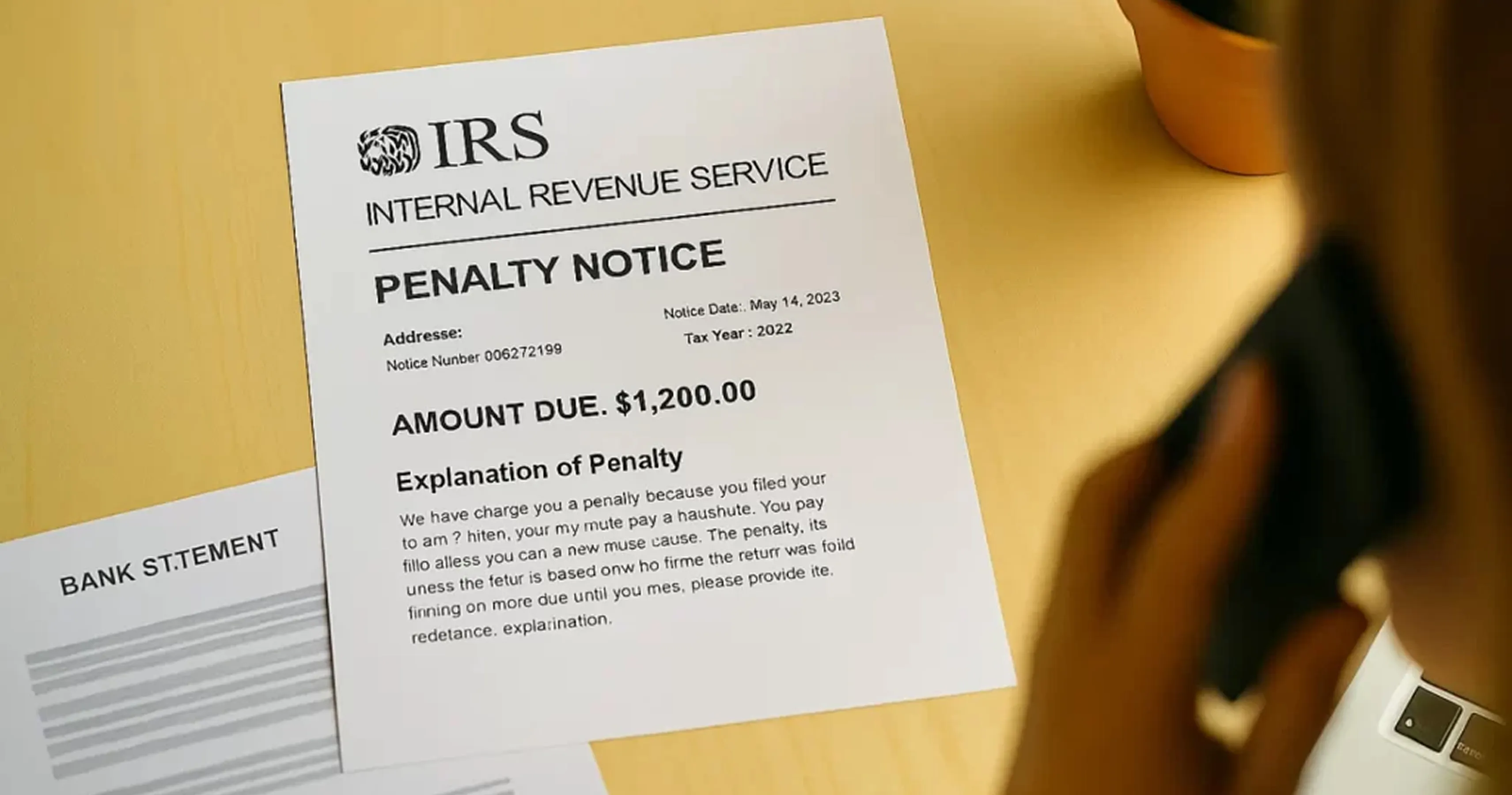
IRS penalties can build up fast, sometimes adding thousands of dollars to your balance before you even realize what happened.

Falling behind on taxes is extremely common for self-employed and 1099 workers. Income changes, missing 1099 forms

Missing a quarterly tax payment feels stressful, but it happens to freelancers, small business owners

Few things hit harder than waking up to a bank account you can’t touch. Your debit card declines
Once submitted, your information is reviewed by an IRS Relief Specialist, who will follow up to explain which IRS relief options may apply and answer any questions you have.
SafewayTax helps individuals and businesses address complex tax issues. By providing a few details, our team can quickly review your situation and help you move forward with confidence
© Copyright 2026 SafewayTax | All Rights Reserved.


Any estimates, projections, or statements on the Website regarding potential program performance are based on historical outcomes and client testimonials that reflect individual circumstances. Results depend on the specific facts of each client’s situation and may vary significantly. Your outcomes will depend on factors including, but not limited to, your financial condition and your ability to provide SafewayTax with complete, accurate, and timely information.
You are encouraged to carefully review all program materials before enrolling in any Service.
SafewayTax does not guarantee that your tax liability will be reduced by any specific amount or percentage, that your taxes will be resolved within a particular timeframe, or that you will qualify for any Internal Revenue Service (“IRS”) program or relief option. Interest and penalties may continue to accrue until your tax liability is fully satisfied with the IRS.
SafewayTax is an independent tax resolution firm and is not affiliated with or endorsed by the IRS. We do not assume your tax liabilities, make payments to creditors on your behalf, or provide legal, accounting, bankruptcy, or formal tax advice unless expressly stated in a separate written agreement. Services may not be available in all states, and fees may vary depending on jurisdiction and case complexity.
By providing your contact information, you expressly consent to receive communications from SafewayTax, including phone calls and SMS text messages, at the telephone number you provide. Such communications may include service-related updates, marketing messages, and other informational notices. Standard messaging and data rates may apply, and you are responsible for any charges imposed by your carrier.